
-
XW Series Hollow Magnetic Powder Clutch丨External Rotation 6Nm-400Nm High Precision Tension Control for Printing & Packaging
Regular price From $199.00Regular price -
Hollow Shaft Magnetic Powder Clutch | China Factory Manufacturer
Regular price From $129.00Regular price -
Magnetic Powder Clutch 6Nm-400Nm | Precision Torque & Tension Control | XW Machinery
Regular price From $99.00Regular price$650.00Sale price From $99.00Sale -
XW Micro Uniaxial Magnetic Powder Clutch - 12V DC Tension Control (1Nm-5Nm)
Regular price From $59.00Regular price



About Magnetic Powder Clutches for Tension Control Systems
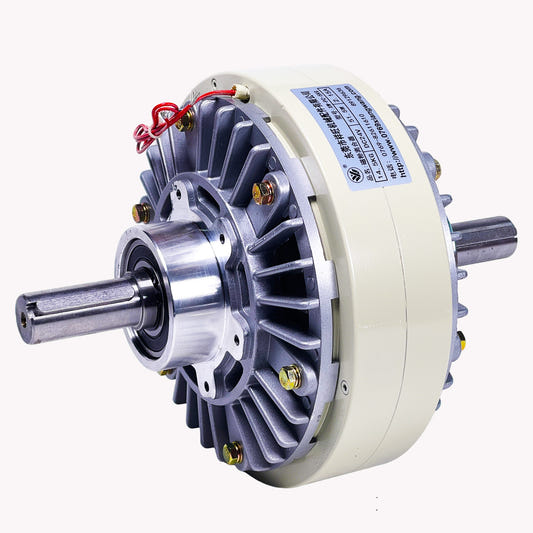
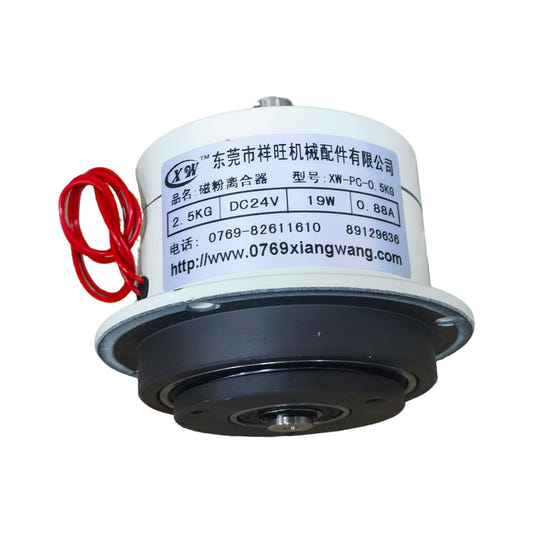
Magnetic powder clutches are widely used in tension control, winding, rewinding, slitting, printing, packaging, textile, paper converting, and wire processing applications. XW Machinery manufactures high-performance magnetic powder clutches designed to provide smooth torque transmission, stable slip characteristics, and precise tension regulation for demanding industrial production lines.
Our product range includes dual-shaft magnetic powder clutches, hollow-shaft magnetic powder clutches, outer-rotor magnetic powder clutches, and custom-engineered high-torque models to meet a variety of machine configurations and operating requirements. Designed for accurate torque control and fast response, these clutches help improve winding quality, reduce material waste, and maintain consistent web tension during continuous operation.
Manufactured using premium magnetic powder materials and optimized electromagnetic systems, our clutches deliver excellent heat dissipation, long service life, and reliable performance under high-speed production conditions. Standard torque ranges are available for most industrial applications, while custom designs can be engineered for heavy-duty winding systems and specialized machinery.
Browse our complete collection to explore technical specifications, torque charts, dimensional drawings, and factory-direct magnetic powder clutch solutions.
Frequently Asked Questions
What is a magnetic powder clutch used for?
Magnetic powder clutches provide smooth torque transmission, stable slip characteristics, and precise tension regulation for winding, rewinding, slitting, printing, packaging, textile, paper converting, and wire processing lines.
What clutch configurations does XW Machinery offer?
The range includes dual-shaft magnetic powder clutches, hollow-shaft magnetic powder clutches, outer-rotor magnetic powder clutches, and custom-engineered high-torque models to suit different machine configurations.
Are custom torque models available?
Yes. Standard torque ranges cover most industrial applications, while custom designs can be engineered for heavy-duty winding systems and specialized machinery.